
Awaab’s Law Compliance Guide: What Every UK Landlord Needs to Know
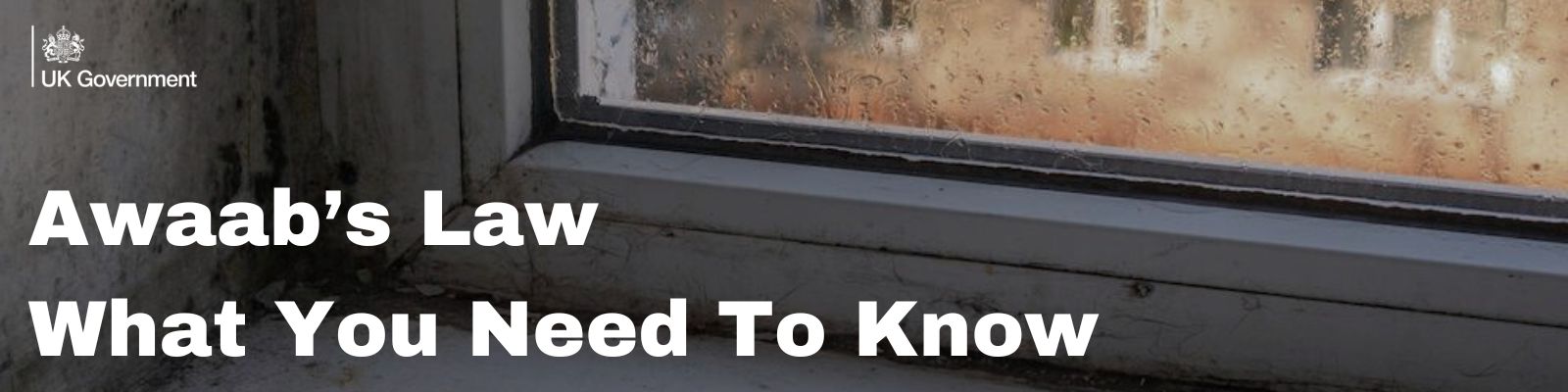
Awaab’s Law Compliance Guide: What Every UK Landlord Needs to Know
Awaab’s Law Compliance Guide: What Every UK Landlord Needs to Know
Awaab’s Law marks one of the most significant shifts in UK housing legislation in recent decades. Designed to protect tenants from the dangers of damp and mould, the law sets clear timeframes and legal duties for landlords to inspect, repair, and prevent hazards.
For landlords, understanding and preparing for Awaab’s Law is essential. It’s not just about meeting new deadlines—it’s about ensuring that homes are healthy, habitable, and safe. This guide explains everything landlords need to know to remain compliant, avoid penalties, and maintain tenant trust.
What Is Awaab’s Law?
Awaab’s Law was introduced in response to the tragic death of two-year-old Awaab Ishak in 2020. Awaab died from respiratory issues caused by prolonged exposure to black mould in his social housing flat in Rochdale. Despite repeated reports from his parents, no repairs were carried out in time.
Following a public inquiry and national outrage, the UK Government took action. Awaab’s Law was included in the Social Housing (Regulation) Act 2023 and strengthens the responsibilities of landlords to fix damp and mould issues promptly.
In simple terms, Awaab’s Law ensures that:
Landlords must investigate reports of damp and mould within strict time limits.
Repairs must be carried out within a legally defined period.
Tenants must be kept informed throughout the process.
Authorities can take enforcement action if landlords fail to comply.
The law represents a firm commitment to ensuring that no tenant in the UK is forced to live in unsafe or unhealthy housing conditions.
When Does Awaab’s Law Come Into Force?
The law is part of the wider reform of the UK’s social housing sector, which will come into effect during 2025, following consultation on the final regulations.
While the draft guidance outlines the general framework, the government is expected to publish specific deadlines—for example, how many days landlords will have to:
Investigate a complaint
Begin repairs
Provide written confirmation of work completed
This means that now is the ideal time for landlords to review policies, inspect properties, and ensure they have systems in place to meet these legal obligations once the rules officially take effect.
What Awaab’s Law Means for Landlords
Awaab’s Law sets out clear expectations for property owners and housing providers. It requires a proactive, rather than reactive, approach to property maintenance.
For landlords, the main changes include:
Mandatory Response Times
Landlords will have a legally enforced period (likely around 14 days) to investigate any tenant report of damp or mould. Delays or ignoring complaints will no longer be tolerated.Required Action Plans
If damp or mould is confirmed, landlords must create and communicate an action plan to the tenant, explaining what will be done, who will do it, and how long repairs will take.Repair Deadlines
Repairs must start within a specified timeframe—expected to be 7 to 14 days after confirmation of the problem.Clear Tenant Communication
Landlords must keep tenants informed at every stage and provide written evidence of completed work.Accountability and Record-Keeping
Failure to respond appropriately could result in penalties, complaints to the Housing Ombudsman, or regulatory action by local authorities.
In essence, landlords are now accountable for ensuring that their homes are maintained to safe, dry, and liveable standards at all times.
Why Compliance Matters
The introduction of Awaab’s Law signals a zero-tolerance approach to housing neglect. Landlords who fail to comply could face:
Enforcement action from local councils
Regulatory penalties or inspections by the Regulator of Social Housing
Legal claims for housing disrepair
Reputational damage, particularly for larger housing associations
In addition, non-compliance can lead to expensive long-term repairs, as untreated damp and mould often cause structural damage. Compliance isn’t just a legal duty—it’s a cost-saving and reputation-preserving measure.
How to Stay Compliant with Awaab’s Law
Here’s a step-by-step compliance checklist to help landlords and housing providers prepare:
Inspect All Properties for Damp and Mould
Carry out a full survey of your housing stock, focusing on bathrooms, kitchens, and areas with poor ventilation. Look for visible mould, condensation, musty smells, and water ingress.Implement a Reporting and Tracking System
Introduce an easy, documented way for tenants to report damp or mould. Record every complaint, inspection, and repair to demonstrate compliance if required.Establish Investigation Procedures
Make sure your team knows how to investigate reports quickly. Whether it’s internal maintenance staff or external contractors, ensure investigations happen within the legal timeframe.Train Staff and Contractors
Provide regular training on recognising the signs of mould and damp. Educate staff about the health risks and new legal deadlines under Awaab’s Law.Keep Tenants Informed
Communication is vital. Provide written confirmation when you receive a report, outline next steps, and share a repair completion summary once work is done.Invest in Prevention Systems
Prevent damp and mould through better ventilation and moisture control. Products such as Positive Input Ventilation (PIV) units, extractor fans, and dehumidifiers can dramatically reduce condensation build-up.Maintain Accurate Records
Keep a digital record of all damp-related reports, inspections, photographs, and invoices. This evidence can protect you in the event of a complaint or inspection.
By following these steps, landlords can create a culture of accountability and ensure compliance with both Awaab’s Law and broader housing safety standards.
Practical Damp and Mould Prevention Tips
Prevention is the best compliance strategy. Many damp and mould issues can be avoided with good property design, ventilation, and routine maintenance.
Here are some simple yet effective tips:
Install PIV units to keep air circulating and reduce humidity levels.
Ensure bathrooms and kitchens have working extractor fans vented to the outside.
Use trickle vents on windows and keep them open regularly.
Fix leaks from roofs, gutters, or pipes as soon as they occur.
Insulate cold walls and ceilings to prevent condensation build-up.
Encourage tenants to report early signs of damp before they worsen.
At Builders Superstore, we supply a full range of condensation and damp-proofing products, including PIV systems, passive vents, and wall membranes—helping landlords stay compliant and prevent costly damage.
Health Risks of Ignoring Damp and Mould
Understanding the health implications is key to appreciating why compliance is so important. Damp and mould are linked to:
Asthma and other respiratory conditions
Skin irritation and allergic reactions
Worsened symptoms in vulnerable tenants, such as children or the elderly
These health concerns were the central reason for the introduction of Awaab’s Law. Landlords must treat any report of damp or mould as a potential health hazard, not just a maintenance issue.
Legal Framework and Enforcement
Awaab’s Law works alongside existing UK housing laws, including:
The Housing Health and Safety Rating System (HHSRS) under the Housing Act 2004
The Landlord and Tenant Act 1985, which requires landlords to keep homes in repair
The Homes (Fitness for Human Habitation) Act 2018, which gives tenants the right to a safe home
Under the new system, failure to act within the prescribed timeframes could trigger intervention by:
Local authorities, issuing enforcement notices
The Regulator of Social Housing, investigating compliance
The Housing Ombudsman, handling tenant complaints
Tenants may also take legal action if landlords consistently fail to meet their duties.
Digital Record-Keeping and Proof of Compliance
Under Awaab’s Law, documentation is everything. Keeping accurate digital records is crucial in demonstrating compliance.
Best practices include:
Logging every tenant report with a date and unique reference number
Recording the inspection date and outcome
Uploading before-and-after photos of affected areas
Storing repair invoices and correspondence
Digital systems, even simple spreadsheets or maintenance tracking software, can provide the evidence you need if challenged by regulators or tenants.
Working with Tenants
A key element of compliance is communication. Building trust with tenants ensures quicker reporting, better cooperation during inspections, and fewer disputes.
Good communication practices include:
Providing clear information on how to report damp or mould
Sending prompt written acknowledgments
Setting realistic expectations for repair timeframes
Educating tenants about ventilation and heating use
Remember: prevention is a joint effort between landlord and tenant. The more informed tenants are, the fewer issues will escalate into complaints.
Common Mistakes to Avoid
Even experienced landlords can make errors that lead to non-compliance. Avoid these pitfalls:
Ignoring early signs of damp because they seem minor
Using temporary fixes like painting over mould without addressing the cause
Failing to record repairs or inspections properly
Delaying communication with tenants
Not providing written updates or proof of action
Each of these mistakes can result in enforcement action under Awaab’s Law.
Long-Term Benefits of Compliance
Although Awaab’s Law introduces stricter responsibilities, compliance also offers long-term advantages:
Lower maintenance costs through early prevention
Improved tenant satisfaction and retention
Better property condition and value
Reduced legal and insurance risks
Enhanced reputation as a responsible landlord
Landlords who prioritise safety and transparency are more likely to attract reliable tenants and avoid costly disputes.
How Builders Superstore Can Help
At Builders Superstore, we provide a complete range of products to help landlords comply with Awaab’s Law and maintain healthy, mould-free homes.
Our product categories include:
Positive Input Ventilation (PIV) units – for continuous air circulation
Extractor fans – for bathrooms and kitchens
Passive air vents – to improve airflow
Damp-proof membranes – for walls and floors
Condensation control kits – for problem areas
All our products are chosen for reliability, ease of installation, and compliance with current UK building standards.
By combining effective ventilation systems with regular maintenance, landlords can meet their legal duties while protecting both tenants and properties.
Conclusion: Preparing for Awaab’s Law
Awaab’s Law represents a major shift in housing regulation, focusing on accountability, transparency, and tenant safety. For landlords, compliance is no longer optional—it’s a legal requirement.
By acting now, landlords can ensure they meet the new standards before the law comes into full effect in 2025. Regular inspections, proper documentation, clear tenant communication, and investment in ventilation and damp-proofing are all essential steps.
Ultimately, Awaab’s Law is about more than compliance—it’s about providing every tenant with a safe, healthy home. Landlords who embrace these principles will not only meet their legal obligations but also build stronger, more sustainable relationships with their tenants.
Source: HM Government – Awaab’s Law: Draft Guidance for Social Landlords (GOV.UK, 2024)
https://www.gov.uk/government/publications/awaabs-law-draft-guidance-for-social-landlords