Damp & Mould Diagnosis
Not sure what is causing damp, mould, condensation or water stains in your home? This guide helps you identify the likely cause before choosing the right solution, whether the issue is rising damp, penetrating damp, condensation, poor ventilation, basement water ingress or cold walls.
Common Signs To Check
- Black mould around windows or corners
- Tide marks and salts on lower walls
- Damp patches after heavy rain
- Musty smells in rooms or basements
- Condensation on glass and cold surfaces
How do I know what type of damp I have?
The quickest way to narrow it down is to look at where the damp appears and when it gets worse. Black mould and wet windows usually point towards condensation. Tide marks and salts near skirting boards often suggest rising damp. Damp patches after rain may indicate penetrating damp, while basement water usually needs waterproofing or drainage advice.
Find The Most Likely Cause
Different moisture problems need different products. Use these common symptoms to guide visitors towards the correct Help Hub section before they buy.
Condensation
Usually appears on windows, mirrors, cold walls and corners. Often linked to poor airflow, high humidity and everyday moisture.
View Condensation Solutions →Rising Damp
Often shows as tide marks, salts, bubbling plaster or damp near the bottom of ground floor walls.
Shop DPC Cream →Penetrating Damp
Damp patches that worsen after rain may be caused by water entering through external walls, cracks, pointing or masonry.
View Damp Proofing →Basement Water
Water entering cellars or basements may require tanking, cavity drain membranes, sump pumps or drainage systems.
View Basement Waterproofing →Common Damp & Mould Symptoms
These are the real problems homeowners search for before they know whether they need damp proofing, ventilation, insulation or waterproofing.
Compare Damp & Mould Problems
This quick comparison helps users understand the likely cause and the type of solution they may need.
| Problem | Typical Signs | Likely Cause | Best Next Step |
|---|---|---|---|
| Condensation | Wet windows, mould in corners, steamed mirrors | Poor ventilation and high humidity | Condensation Solutions |
| Rising Damp | Tide marks, salts, damp at lower wall level | Failed or missing damp proof course | DPC Cream |
| Penetrating Damp | Damp patches after rain, external wall staining | Rainwater entering through masonry or defects | Damp Proofing |
| Basement Water Ingress | Wet cellar walls, water on basement floor | Groundwater pressure or failed waterproofing | Basement Waterproofing |
| Cold Wall Mould | Mould behind furniture or on external walls | Cold surfaces, poor airflow and condensation | Wall Insulation |
Recommended Problem-Solving Categories
Choose the product category that best matches the problem you are trying to solve.
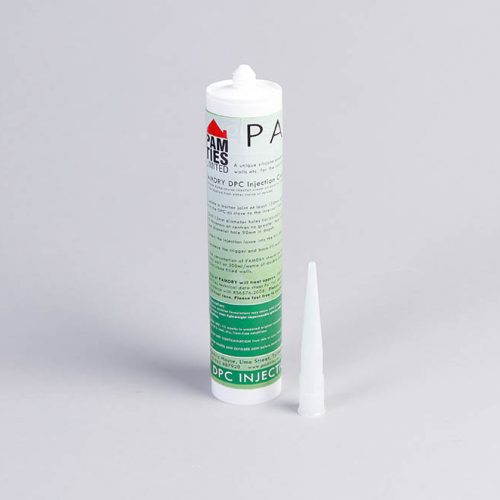
DPC Cream
Damp proof cream products for treating rising damp and creating a remedial damp proof course.
View Products
Basement Waterproofing
Tanking kits, membranes, sump pumps and drainage systems for below-ground waterproofing.
View Guide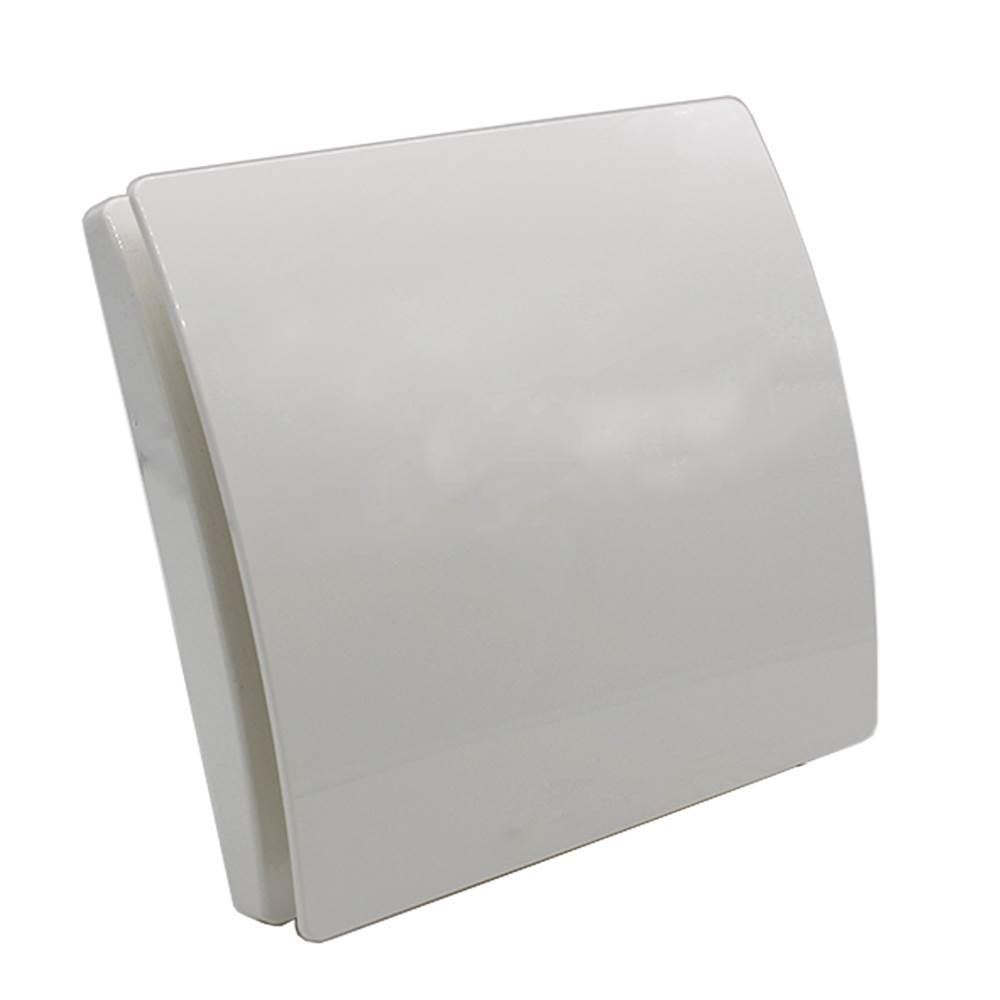
Ventilation Fans
Continuous running extractor fans and ventilation products to reduce condensation and mould risk.
View Guide
Mould Removal
Mould cleaning and prevention products for treating visible mould and helping reduce regrowth.
View ProductsDamp & Mould Diagnosis FAQs
Simple answers to common questions about damp, mould, condensation, rising damp and water ingress.
How can I tell if it is condensation or damp?
Condensation usually appears on windows, mirrors, cold walls and corners, especially in colder weather or after cooking, showering and drying clothes indoors. Damp caused by water ingress is more likely to appear as persistent patches, staining, salts or moisture linked to rain or ground level.
Why do I have black mould on walls?
Black mould usually grows where moisture and poor airflow are present. Common causes include condensation, cold walls, blocked ventilation, furniture placed too close to external walls and high indoor humidity.
What are the signs of rising damp?
Typical signs include tide marks, salts, bubbling plaster, damp near skirting boards and damaged decoration at the lower part of ground floor walls. A failed damp proof course may be the cause.
Why does my damp patch get worse after rain?
If a damp patch appears or worsens after rain, penetrating damp may be the cause. Water could be entering through brickwork, cracks, defective pointing, render, gutters or external defects.
Why is my basement wet?
Basements and cellars are below ground, so they are more exposed to groundwater pressure. Water ingress may require tanking, cavity drain membranes, sump pumps or drainage systems.
Can cold walls cause mould?
Yes. Cold walls can cause warm indoor air to condense on the surface, especially where airflow is poor. This can lead to black mould behind furniture, in corners and on external walls.
Will ventilation help with mould?
Ventilation can help reduce moisture and humidity, making it harder for mould to grow. Continuous running extractor fans, PIV units and better airflow can all help with condensation-related mould.
Do I need damp proofing or ventilation?
If the issue is caused by internal humidity and condensation, ventilation is usually the first area to improve. If moisture is entering through walls, floors or the ground, damp proofing or waterproofing may be required.
What causes musty smells?
Musty smells are often caused by damp materials, trapped moisture, poor airflow, mould growth or hidden water ingress. The source should be identified before choosing a treatment.
What should I do before buying products?
Try to identify when and where the moisture appears. Check whether it is linked to rain, ground level, cold surfaces, poor ventilation or basement water ingress. This will help you choose the correct solution.
Related Help Hub Guides
Explore related guides for damp proofing, condensation, ventilation, waterproofing, wall insulation and timber treatment.
Not Sure What Damp Or Mould Problem You Have?
Use this guide to narrow down the likely cause, then explore the right Help Hub section for damp proofing, condensation control, ventilation, waterproofing or wall insulation products.
Back To Help Hub