
How Awaab’s Law Protects Tenants from Damp and Mould Hazards
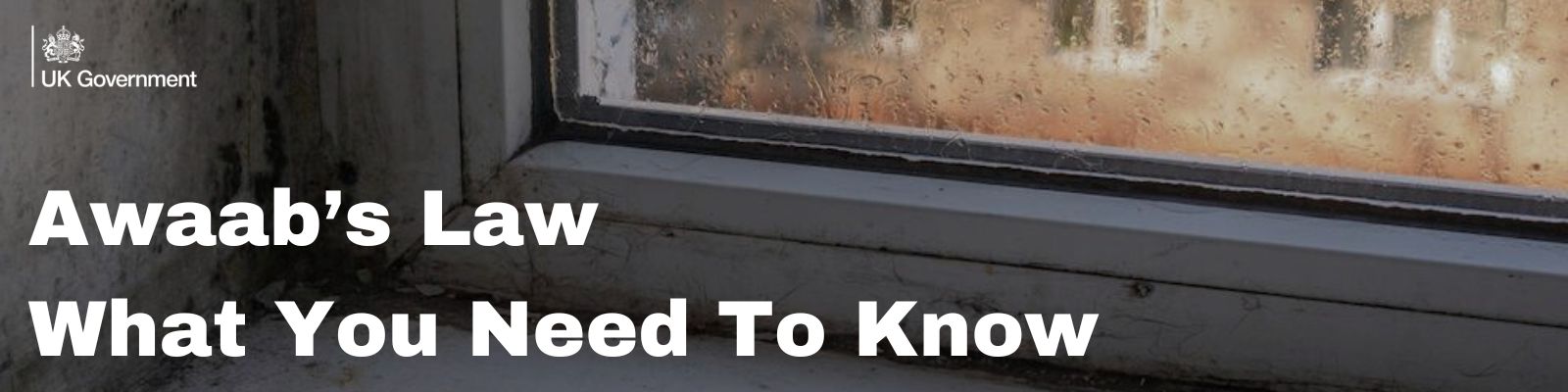
How Awaab’s Law Protects Tenants from Damp and Mould Hazards
How Awaab’s Law Protects Tenants from Damp and Mould Hazards Awaab’s Law is one of the most important pieces of housing legislation in recent years, introduced to ensure that no tenant in the United Kingdom has to live in unsafe, damp, or mould-infested accommodation again. The law was named in memory of Awaab Ishak, a two-year-old boy from Rochdale who tragically died in 2020 after prolonged exposure to black mould in his family’s flat. His death shocked the nation and exposed deep failings in the social housing system, where repeated complaints about damp and mould were ignored. The UK Government responded with new legislation to force landlords to take fast, accountable action.
The aim of Awaab’s Law is to protect tenants’ health and safety by introducing strict deadlines for landlords to investigate and fix damp and mould problems. It gives tenants a clear legal pathway to demand repairs and holds landlords accountable for their living standards. Whether you rent from a council, housing association, or private landlord, this law strengthens your right to live in a safe, dry, and healthy home.
Awaab’s Law forms part of the Social Housing (Regulation) Act 2023 and is supported by draft guidance published by HM Government in 2024. The law introduces fixed timeframes for investigations and repairs once a problem is reported. These deadlines ensure that complaints can no longer be ignored or delayed indefinitely. For example, landlords will be required to inspect a reported issue within a set number of days, usually around 14, and start repairs shortly afterwards. The landlord must also keep tenants informed of progress and confirm in writing when the work is complete.
For tenants, this represents a major improvement. In the past, many renters found themselves waiting months or even years for their landlords to take action against mould or condensation. Under Awaab’s Law, ignoring complaints is no longer an option. Failure to meet deadlines can trigger enforcement action from local authorities, the Regulator of Social Housing, or the Housing Ombudsman.
The law covers all social housing landlords, including local councils and housing associations, and its principles are expected to influence the private rented sector as well. While private landlords are already legally required to maintain homes that are “fit for human habitation,” Awaab’s Law sets out clearer and stricter standards that could shape broader housing policy in the coming years.
Damp and mould are more than just unsightly. They can cause serious health problems, especially for vulnerable people such as children, the elderly, and those with asthma or other respiratory conditions. Mould spores irritate the lungs and skin, trigger allergies, and can worsen long-term illnesses. The tragedy that led to Awaab’s Law is a stark reminder that neglecting these problems can have fatal consequences.
Under the new rules, tenants will have stronger rights to demand timely repairs and a clear route to escalate complaints. If a landlord fails to act, the tenant can contact the local council’s environmental health department or the Housing Ombudsman. Both bodies have powers to investigate and take action against landlords who do not comply.
For landlords, Awaab’s Law creates a legal obligation to act promptly and to prove that they have done so. They must keep accurate records of all complaints, inspections, and repairs. Documentation such as dated photos, reports, and written communication with tenants will be essential to demonstrate compliance. Landlords who cannot provide evidence may face enforcement measures, including fines or regulatory penalties.
The government’s guidance highlights three key responsibilities for landlords: first, to investigate reports of damp and mould within the required timeframe; second, to carry out or begin remedial work quickly; and third, to communicate transparently with tenants at every stage. The law encourages landlords to adopt a proactive approach—regular inspections, preventative maintenance, and early intervention—rather than waiting for problems to escalate.
For tenants, one of the most empowering aspects of Awaab’s Law is the ability to hold landlords accountable through an official process. Tenants no longer have to rely on repeated phone calls or ignored maintenance requests. Once a report of damp or mould is made, the landlord is legally required to take action. Tenants will also receive written confirmation of what steps are being taken, ensuring transparency and accountability.
The law also emphasises the importance of prevention. Landlords are encouraged to maintain properties in a way that stops damp and mould from forming in the first place. This means ensuring good ventilation, fixing leaks quickly, insulating cold walls, and keeping heating systems in good working order. Preventative measures such as installing Positive Input Ventilation (PIV) units or extractor fans can dramatically reduce condensation and moisture build-up in homes.
Awaab’s Law ties into the government’s broader goal of improving housing quality across the country. For too long, tenants in social and private housing have faced poor living conditions and slow responses from landlords. By introducing clear deadlines and enforcement powers, the law aims to raise standards across the entire housing sector.
The Health Risks of Ignoring Damp and Mould Ignoring damp and mould can have devastating health consequences. Prolonged exposure can lead to breathing difficulties, allergies, infections, and long-term respiratory damage. Children are particularly vulnerable, as their lungs are still developing, and exposure to mould spores can cause chronic conditions that last into adulthood. The elderly and those with weakened immune systems are also at high risk. Common symptoms include coughing, wheezing, eye irritation, and skin rashes. The presence of mould also worsens asthma and other pre-existing lung diseases. These health concerns were central to the introduction of Awaab’s Law. By forcing landlords to act quickly, the government hopes to prevent tragedies like Awaab Ishak’s and ensure that tenants never have to live in dangerous environments again.
Tenants should also take steps to report issues as soon as they arise. Under Awaab’s Law, a written report—by letter, email, or online form—starts the official clock for the landlord’s response. Tenants should describe the problem, take photographs, and keep records of all communication. If a landlord fails to respond within the legal timeframe, the tenant can contact their local council or the Housing Ombudsman.
For landlords, early detection is key. Regular property inspections help identify damp or mould before it becomes serious. Landlords should look for condensation on windows, peeling paint, damp patches, and a musty smell—all early signs that moisture is trapped inside the home. Prompt action not only keeps tenants safe but also prevents structural damage, which can be costly to repair.
Builders Superstore provides practical solutions that help landlords and property owners meet these new standards. Our range includes PIV units, extractor fans, passive air vents, and damp-proof membranes—all designed to reduce moisture, improve air quality, and prevent the conditions that allow mould to grow. Installing proper ventilation is one of the most effective ways to maintain a healthy home and stay compliant with Awaab’s Law.
For both tenants and landlords, understanding the causes of damp is crucial. There are three main types: rising damp, caused by moisture moving up from the ground; penetrating damp, caused by leaks or structural issues; and condensation damp, caused by poor ventilation or high humidity. Awaab’s Law covers all types, requiring landlords to investigate and resolve the root cause, not just cover up visible mould.
Awaab’s Law also works alongside existing housing regulations, such as the Housing Health and Safety Rating System (HHSRS) and the Homes (Fitness for Human Habitation) Act 2018. Together, these laws ensure that all rented properties are safe, secure, and free from hazards. What makes Awaab’s Law different is the enforcement of strict time limits—landlords can no longer delay or ignore complaints.
In practice, this means that every housing provider must have clear internal procedures for handling damp and mould reports. Complaints should be logged immediately, inspections arranged without delay, and repairs prioritised based on severity. Landlords must also ensure that tenants are not blamed for damp caused by structural or ventilation issues—a common problem in the past.
The law is not just about punishment—it’s about prevention, accountability, and building trust. By encouraging landlords to take a proactive role, Awaab’s Law aims to rebuild confidence in the housing system. Tenants will know that their concerns will be addressed quickly, and landlords will benefit from fewer complaints, healthier properties, and more satisfied tenants.
Compliance with Awaab’s Law will likely become a key part of housing audits and property management reviews. Councils and housing associations should begin preparing now by updating policies, training staff, and investing in damp-proofing and ventilation improvements. Private landlords can also follow these best practices to protect their tenants and reduce the risk of disputes.
As the implementation date approaches, awareness is key. Landlords, tenants, and housing professionals must all understand their rights and responsibilities under Awaab’s Law. Communication between both parties will be vital—when tenants report issues early and landlords respond promptly, problems can be resolved before they become dangerous.
The introduction of Awaab’s Law is a landmark moment for housing reform in the UK. It represents a shift toward accountability, transparency, and safety in rented homes. Every tenant has the right to live in a dry, mould-free environment, and every landlord now has the duty to provide it.
In summary, Awaab’s Law protects tenants by setting strict deadlines for action, enforcing landlord accountability, and providing clear routes for complaints. It also promotes better maintenance, improved ventilation, and safer living conditions. For landlords, compliance means more than just following the law—it means fulfilling a moral and professional responsibility to protect the health and wellbeing of the people who call their properties home.
Builders Superstore fully supports the goals of Awaab’s Law and supplies high-quality products to help landlords meet these new standards. From ventilation systems to damp-proofing solutions, we provide the tools and expertise needed to create safe, compliant homes across the UK.
Source: HM Government – Awaab’s Law: Draft Guidance for Social Landlords (GOV.UK, 2024) https://www.gov.uk/government/publications/awaabs-law-draft-guidance-for-social-landlords