
The Tragic Story Behind Awaab’s Law
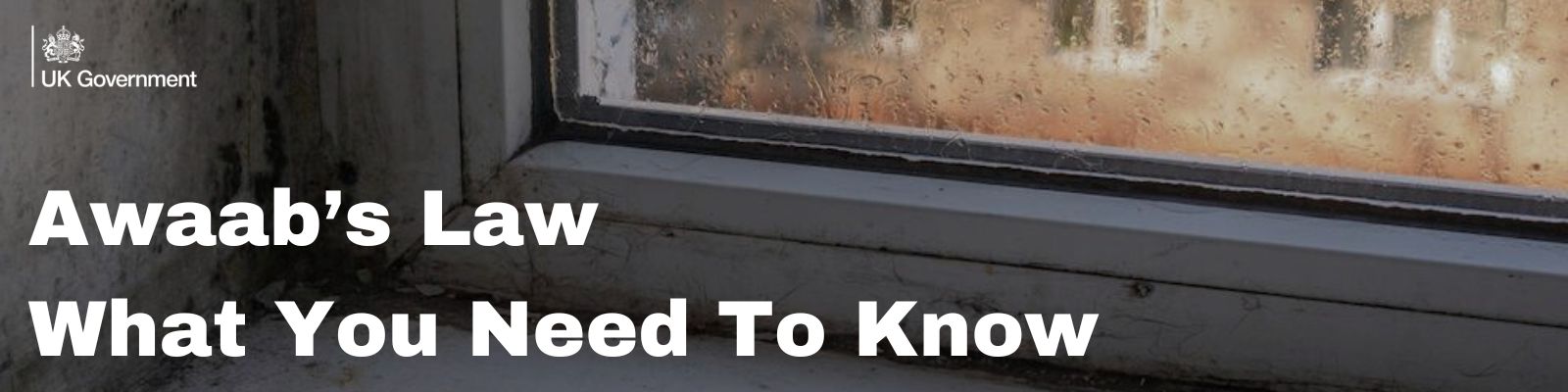
The Tragic Story Behind Awaab’s Law
Awaab’s Law is one of the most important changes to UK housing standards in recent years. Introduced following the tragic death of two-year-old Awaab Ishak, the new law is designed to protect tenants from dangerous damp and mould in rented homes. It ensures that landlords take swift, accountable action to investigate and fix any reported issues.
The law has wide-reaching implications for local councils, housing associations, and private landlords across the country. For tenants, it provides stronger rights and faster responses when living conditions become unsafe. For landlords, it creates legal deadlines that must be met or risk enforcement action.
In this detailed guide, we explain what Awaab’s Law means, when it comes into force, what landlords must do to comply, and how tenants can make use of their new rights.
The Tragic Story Behind Awaab’s Law
Awaab’s Law was named in memory of Awaab Ishak, a two-year-old boy from Rochdale who sadly died in 2020 after prolonged exposure to mould in his family’s social housing flat. Despite repeated complaints made by his parents about the poor condition of their home, no effective action was taken by the landlord, Rochdale Boroughwide Housing.
The coroner concluded that Awaab’s death was caused by “a severe respiratory condition due to prolonged exposure to mould in his home environment.” The case shocked the nation and exposed serious failings in how social housing providers were dealing with damp and mould hazards.
Public pressure led the UK Government to introduce new laws ensuring that no family would ever have to live in such unsafe conditions again. Awaab’s Law was therefore created to impose legal timeframes for landlords to act and to hold them accountable for repairs.
What Awaab’s Law Does
The central aim of Awaab’s Law is to make sure landlords respond quickly when tenants report damp and mould. It sets strict deadlines for investigation and repair. While the final details of the time limits are being confirmed, the draft guidance from HM Government outlines three key stages:
Landlords must investigate damp and mould reports within a fixed number of days.
Once a tenant reports a problem, the landlord is legally required to carry out an inspection promptly—usually within 14 days according to the draft proposals.
Landlords must begin repairs or remedial work within a specified timeframe.
If the inspection confirms the presence of damp, mould, or other hazards, work must start quickly—typically within 7 to 14 days after confirmation.
Landlords must provide tenants with clear communication and evidence of action.
Tenants should be kept informed throughout the process, with confirmation of what was found, what will be done, and when the work will be completed.
These rules apply to all social housing providers, and it’s expected that similar standards will influence private landlords as part of broader housing reforms.
Why Damp and Mould Are So Dangerous
Damp and mould are more than just cosmetic issues—they can pose serious health risks. Mould releases spores that can cause respiratory problems, asthma attacks, and allergic reactions. For vulnerable people such as children, the elderly, and those with existing breathing conditions, exposure can be life-threatening.
According to health experts, prolonged exposure to damp conditions can lead to coughing, wheezing, and chronic lung infections. Walls, ceilings, and windowsills covered in black mould are clear warning signs that indoor air quality has deteriorated. Awaab’s Law places responsibility squarely on landlords to eliminate these hazards before they cause harm.
Who Awaab’s Law Applies To
Awaab’s Law primarily targets social housing landlords, including:
Local authorities (councils) that manage housing stock
Housing associations and registered providers of social housing
However, the principles behind the law—quick response, accountability, and safe living standards—are expected to influence the private rented sector as well. The government has indicated that private landlords should follow the same good-practice approach when dealing with damp and mould reports.
Any home in the UK that is rented out, whether publicly or privately, must be free from hazards under the Housing Health and Safety Rating System (HHSRS). Awaab’s Law strengthens this existing framework by enforcing clearer deadlines.
Legal Deadlines and Enforcement
The draft guidance published by HM Government outlines that social landlords will face enforcement action if they fail to meet the required timescales. This may include:
Statutory notices from local authorities
Regulatory penalties from the Regulator of Social Housing
Legal claims from tenants under housing disrepair laws
Tenants can also escalate complaints to the Housing Ombudsman Service, which has the power to investigate cases of delay or inaction.
Landlords who repeatedly fail to meet the required standards may risk reputational damage, fines, or being deemed unfit to hold housing stock.
Tenants’ Rights Under Awaab’s Law
For tenants, Awaab’s Law brings new protection and a clear path to action. Once the law is in force, tenants will have the right to:
Report damp and mould directly to their landlord and expect an inspection within a set time limit
Receive written confirmation of what the inspection found
Be told when repairs will start and how long they will take
Escalate the matter to the local authority or Housing Ombudsman if deadlines are not met
This transparency gives tenants more power and ensures landlords cannot ignore dangerous living conditions.
How Landlords Can Prepare for Awaab’s Law
Landlords and property managers should act now to ensure they are ready for the changes. Preparation steps include:
Conducting a full inspection of housing stock for existing damp or mould issues
Reviewing maintenance policies and ensuring quick reporting channels for tenants
Training staff and contractors to recognise and prioritise damp and mould hazards
Keeping detailed records of all complaints, inspections, and repairs for compliance evidence
Installing ventilation and damp-proofing systems, such as Positive Input Ventilation (PIV) units, extractor fans, and dehumidifiers, to prevent recurrence
Landlords who take these proactive steps will be better positioned to comply with Awaab’s Law and maintain healthy, safe homes.
Practical Ways to Prevent Damp and Mould
Prevention is always better than cure. Whether you’re a landlord or homeowner, these practical measures can help keep damp and mould away:
Ensure good ventilation in kitchens, bathrooms, and living spaces
Fit trickle vents or PIV units to improve air circulation
Repair leaks in roofs, gutters, and plumbing immediately
Use mould-resistant paints and finishes in vulnerable areas
Maintain consistent indoor temperatures to reduce condensation
Builders Superstore supplies a wide range of ventilation, condensation control, and damp-proofing products that can help landlords and homeowners meet the new legal standards under Awaab’s Law.
Impact on the Housing Sector
Awaab’s Law is expected to have a major impact on the UK housing industry. Local authorities and housing associations will need to invest in property maintenance, while contractors and suppliers will see growing demand for damp-proofing and ventilation solutions.
The law also reinforces public trust in social housing by ensuring that safety and wellbeing come before bureaucracy. It encourages a culture of prevention rather than reaction, which benefits everyone in the long run.
When Awaab’s Law Comes Into Force
Although Awaab’s Law was passed as part of the Social Housing (Regulation) Act 2023, the specific regulations outlining deadlines and enforcement processes are being finalised in 2024. The new rules are expected to come into effect across England in 2025.
This gives landlords limited time to prepare, audit properties, and implement maintenance systems to stay compliant.
Why Awaab’s Law Matters
The introduction of Awaab’s Law represents a turning point for housing safety in the UK. It ensures that landlords cannot delay repairs indefinitely and that tenants’ health is prioritised.
For decades, complaints about damp and mould were too often ignored or mishandled. With this new law, there will be clear accountability, measurable timelines, and enforceable standards that raise the quality of housing across the country.
Awaab’s Law is not just about preventing damp—it’s about restoring dignity, safety, and trust in the housing system.
Summary: Key Points of Awaab’s Law
Named after Awaab Ishak, who died due to mould exposure in 2020
Requires landlords to investigate and repair damp and mould within legal timeframes
Applies to all social housing providers in England
Strengthens tenant rights and introduces enforcement penalties for delays
Encourages landlords to maintain healthy, well-ventilated homes
Expected to take effect in 2025 under the Social Housing (Regulation) Act
Conclusion
Awaab’s Law is a vital step forward in ensuring every home in the UK is safe, dry, and fit to live in. For tenants, it provides new confidence that their complaints will be heard and acted upon. For landlords, it highlights the importance of regular maintenance and swift response to damp and mould problems.
At Builders Superstore, we support the principles behind Awaab’s Law by offering practical solutions for condensation, ventilation, and damp control. Whether you’re a property manager or homeowner, you can find the products and guidance you need to stay compliant and keep homes healthy.
For more information, visit: https://www.gov.uk/government/publications/awaabs-law-draft-guidance-for-social-landlords
Source: HM Government – Awaab’s Law: Draft Guidance for Social Landlords (2024).