What You’ll Learn on a Damp Proof Training Course

1. Introduction
If you’ve ever wondered what really happens on a professional damp proof training course, this complete guide walks you through every stage — from theory to practice, from diagnosis to full application.
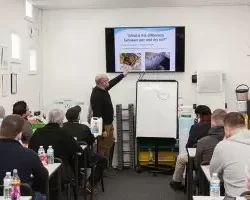
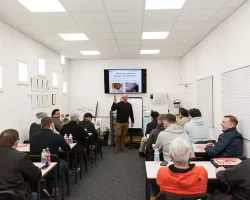
At PAM Ties’ Head Office in Manchester, our 1-day Damp Proof Training Course gives you the hands-on experience, technical understanding, and recognised certification needed to start working confidently as a damp-proofing specialist.
🧱 1. Understanding Moisture and Building Structures
Before applying any product, you need to understand how moisture moves through buildings. The day begins with an in-depth theory session that explains:
Capillary action and how rising damp develops
Common building materials and their porosity
Differences between rising, penetrating, and condensation damp
The role of the damp proof course (DPC) in a building
Why older homes are most at risk of moisture ingress
This foundational knowledge ensures every treatment you perform later is based on accurate diagnosis, not guesswork.
💧 2. Identifying and Diagnosing Types of Damp
Practical learning starts early with demonstrations of how to recognise each kind of damp:
Rising Damp: Moisture travelling up from ground level — visible as tidemarks and salt crystals.
Penetrating Damp: Rain or water seeping through defective brickwork or mortar.
Condensation: Caused by indoor humidity and poor ventilation.
You’ll use moisture meters and inspection techniques to learn accurate diagnosis — a core skill for any damp proofing specialist.
🧰 3. Product Familiarisation and Safety
Next, you’ll handle the tools and materials used daily on site, including:
Damp proof injection creams and applicators
Plugging compounds and primers
Jointing tapes and fixing plugs
Sealants and bituminous coatings
The trainer covers each product’s purpose, mixing ratios, and storage requirements under COSHH (Control of Substances Hazardous to Health) regulations.
⚙️ 4. Installing a Chemical Damp Proof Course (DPC)
One of the most important skills you’ll learn is how to create a chemical barrier within masonry to stop rising damp.
Step by step, the instructor demonstrates:
1️⃣ Drilling injection holes at correct spacing and height.
2️⃣ Applying DPC cream under consistent pressure.
3️⃣ Filling and finishing holes for a clean result.
4️⃣ Allowing the cream to disperse and form a permanent moisture barrier.
You’ll repeat the process yourself on training walls so you can perform it with confidence on real jobs.
🧱 5. Applying Tanking and Waterproof Membranes
Basement and cellar waterproofing are covered through live tanking demonstrations.
You’ll learn to:
Prime walls for maximum adhesion.
Apply tanking slurries and coatings to seal porous surfaces.
Fit self-adhesive membranes smoothly and overlap seams correctly.
Use joint tapes and corner details to create a continuous barrier.
All work follows BS 8102:2022 — Protection of Structures Against Water from the Ground.
🧩 6. Dealing with Condensation and Ventilation
You’ll also cover how to manage moisture in the air, not just in the walls.
Identifying areas with poor airflow
Installing trickle vents and positive input ventilation (PIV) systems
Simple retrofit solutions for domestic properties
Understanding air circulation is essential for long-term damp control.
🧾 7. Health, Safety and Compliance
Safety is a core part of the curriculum.
The trainer explains COSHH, personal protective equipment (PPE), risk assessment, and safe chemical handling.
You’ll also learn how to record each job properly to meet insurance and inspection requirements.
📚 8. Understanding British Standards and Building Regulations
The course summarises the key UK regulations affecting damp proofing:
BS 6576: Rising damp in walls — diagnosis and installation of DPCs
BS 8102: Waterproofing structures below ground
Building Regulations Part C: Resistance to moisture and contaminants
Learning these standards helps you complete work that meets building control and professional inspection criteria.
🧱 9. Using Professional Tools and Equipment
Throughout the day, you’ll get hands-on with:
Injection guns and pumps
Drills and moisture meters
Rollers, brushes, and application tools
PPE — gloves, respirators, goggles
By the end, you’ll know how to select and use each tool correctly to save time and achieve a professional finish.
🧰 10. Common Mistakes to Avoid
Learning from others’ errors is just as important as learning techniques. Your trainer will highlight mistakes that cause failures on site:
Incorrect injection levels
Missing joint seals on membranes
Poor surface preparation
Ignoring ventilation problems
Mixing incompatible products
These insights save you costly call-backs and ensure long-term customer satisfaction.
💼 11. Certification and Assessment
At the end of the day, delegates receive a Certificate of Completion verifying that they have undertaken formal training in damp proof installation and waterproofing methods.
This certificate is recognised across the UK and can be used in tenders, quotes, and insurance applications.
🏫 12. Typical Trainee Profile
The course attracts a wide mix of participants:
General builders wanting to expand their services.
Landlords and property managers handling repairs in-house.
DIY enthusiasts looking for professional results.
Students starting a career in building preservation.
No prior experience is required — just an interest in learning practical skills.
💬 13. Testimonials from Past Delegates
“I learned more in one day than weeks on site trying to figure it out.” — Alan C., Builder from Bolton
“Hands-on training with real products was invaluable. The certificate helped me win my first contract.” — Maria J., Property Investor
🧾 14. Cost and Value
For just £250 inc VAT, the course includes:
Full-day training at PAM Ties HQ in Manchester
All materials and tools provided
Refreshments throughout the day
Official certificate upon completion
The return on investment is immediate — one small damp-proof job can easily cover the course fee.
🧱 15. After-Course Support and Resources
Graduates benefit from ongoing access to technical advice from the PAM Ties team. If you face a challenging project later, you can contact their experts for guidance on product selection or application methods.
You’ll also receive recommendations for tools and materials from the Damp Proof Products range at Builders Superstore.
🧩 16. Expanding Your Skills Beyond the Course
Once trained, you can progress to more advanced qualifications such as NVQ levels or specialist basement waterproofing certifications. Many graduates also branch into related services like mould remediation and timber preservation.
📍 17. Location and Facilities
The course is held at the PAM Ties Head Office in Manchester — a modern training centre equipped with demonstration walls and ample workspace.
It’s easily accessible from Liverpool, Wigan, Stockport, Preston and the wider North West. Free parking and refreshments are provided.
🧠 18. Why Hands-On Training Beats Online Learning
Online tutorials can show you what damp proofing looks like — but they can’t teach the feel of the materials or how they react on different surfaces. In-person training lets you make mistakes in a controlled environment and get instant feedback from experts.
This is why contractors and landlords prefer certified hands-on courses like PAM Ties’.
💷 19. Career Benefits After Completion
Completing a damp proof course instantly boosts your credibility with clients and employers. Many graduates report:
Winning larger projects from housing associations.
Increasing their daily rate by 20–30%.
Gaining steady repeat work through referrals.
With moisture problems rising across the UK’s aging housing stock, qualified specialists remain in constant demand.
🏆 20. Final Call to Action
Learning damp proofing properly sets you apart from DIYers and untrained trades.
If you’re ready to gain a recognised certificate and hands-on skills that pay off immediately, book your place today.
👉 Book the PAM Ties Damp Proof Training Course – Manchester £250 inc VAT
Train once – profit for a lifetime.
Damp Proof Training Course
As seen on