Understanding the Role of a Damp Proofing Specialist

1. Introduction
Understanding the Role of a Damp Proofing Specialist
In the UK, where wet weather and ageing housing stock create perfect conditions for moisture problems, damp proofing specialists play a crucial role in protecting homes and commercial buildings. From diagnosing rising damp to applying advanced waterproofing systems, these trained professionals ensure that structures remain safe, dry, and compliant with building regulations.
If you’ve ever wondered what a damp proofing specialist does, what skills they need, and how you can join this growing trade, this guide breaks down everything — from their daily responsibilities to the qualifications and training options available through PAM Ties’ Damp Proof Training Course in Manchester
What Is a Damp Proofing Specialist?
A damp proofing specialist is a professional who identifies, prevents, and treats moisture ingress in buildings. Damp can arise from multiple sources — groundwater, poor ventilation, plumbing leaks, or failed damp proof courses (DPCs). The specialist’s role is to assess the cause and apply the correct solution, ensuring the long-term integrity of the structure.
Typical services include:
Rising damp treatment: Installing chemical DPCs or membranes to block capillary moisture.
Penetrating damp control: Sealing walls, roofs, and joints against external water ingress.
Condensation management: Improving ventilation and insulation to prevent mould growth.
Basement and cellar tanking: Applying waterproof coatings or membranes below ground level.
Their goal isn’t just to fix visible damp patches — it’s to understand the science of moisture movement and apply lasting solutions that protect both the building and its occupants.
Why Damp Proofing Matters in the UK
The UK’s climate and building history make damp proofing essential. Many older homes were built before modern DPC regulations, and even new builds can develop damp problems due to faulty installations or high water tables.
Left untreated, damp causes:
Structural weakening of walls and floors
Timber decay and rot
Mould growth linked to respiratory issues
Decreased property value and energy efficiency
A professional damp proofing specialist helps prevent costly damage, ensuring properties meet Building Regulations Part C and BS 8102 standards.
Key Responsibilities of a Damp Proofing Specialist
🔍 3.1 Site Inspection & Diagnosis
Every job begins with a detailed inspection. Specialists identify the type of damp — rising, penetrating, or condensation — using moisture meters and visual assessments. Accurate diagnosis is vital; treating the wrong cause wastes time and money.
🧱 3.2 Selecting the Right Treatment
Each damp problem requires a tailored approach:
Rising damp → injection creams or new DPCs
Penetrating damp → tanking slurries or membranes
Condensation → ventilation upgrades or dehumidification
Professionals often rely on trusted materials such as Self Adhesive Tanking Membranes and Damp Proof Membrane Kits supplied by PAM Ties.
⚒️ 3.3 Application & Installation
Specialists must apply treatments correctly — maintaining consistent pressure in injection systems, overlapping membranes properly, and ensuring airtight seals around corners and junctions.
🧾 3.4 Documentation & Compliance
Detailed reports are created for clients and surveyors, outlining findings, recommendations, and product specifications. Many damp proofing specialists also issue guarantees backed by recognised suppliers.
Skills Required to Succeed
To excel in damp proofing, you need a mix of technical, practical, and analytical skills:
Construction knowledge: Understanding how buildings are built and how moisture travels through them.
Attention to detail: Damp often hides behind walls or under floors.
Problem-solving: Diagnosing issues accurately under different site conditions.
Manual dexterity: Applying membranes, creams, and sealants cleanly and efficiently.
Customer communication: Explaining solutions clearly to property owners.
Many of these skills can be developed quickly through hands-on training, such as the 1-Day Damp Proof Training Course in Manchester (£250 inc VAT) hosted at the PAM Ties Head Office.
How to Train as a Damp Proofing Specialist
Becoming competent doesn’t require years of study — the most effective route is short, practical training combined with experience.
The PAM Ties course offers:
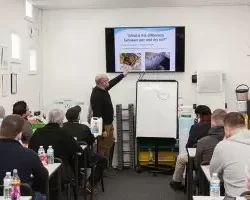
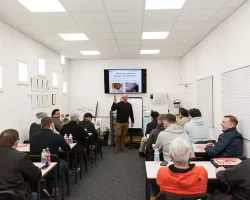
One full day of practical demonstrations and application practice
Certification of Completion recognised across the UK trade
Expert guidance from tutors with over 40 years of industry experience
All tools and materials supplied on the day
This intensive format allows newcomers and experienced tradespeople alike to gain tangible skills they can apply immediately.
👉 Explore the full course details:
Damp Proof Training Course – Manchester
Career Opportunities
Damp proofing specialists can work for:
Building contractors
Property maintenance firms
Surveying companies
Independent damp proofing businesses
Because damp is a persistent issue across the UK, specialists enjoy steady demand and strong earnings potential — often £200–£300 per day for experienced contractors.
Some professionals also move into related areas like basement waterproofing, mould remediation, or structural repair, making damp proofing an excellent foundation for a long-term career.
Compliance and Safety Standards
Professional damp proofers must work to British Standards including:
BS 6576:2022 – Rising damp in walls
BS 8102:2022 – Protection of structures against water from the ground
Building Regulations Part C – Site preparation and resistance to moisture
Training at PAM Ties covers these standards in plain language, ensuring that every delegate knows how to complete work safely and compliantly.
Essential Products Used by Specialists
Modern damp proofing combines science and technology. Core materials include:
Injection creams – for creating chemical DPC barriers
Self-adhesive membranes – for sealing walls and floors
Waterproof slurries and coatings – for tanking basements
Jointing tapes and plugs – for finishing and detailing
All these materials are available from Builders Superstore’s Damp Proofing Range and are used in PAM Ties training sessions.
The Value of Professional Training
While some tradespeople attempt DIY damp proofing, professional certification provides credibility, safety, and higher earning potential. Clients increasingly expect proof of training — especially landlords, letting agents, and local councils managing older housing stock.
Attending the PAM Ties course shows that you’re not just guessing — you understand why damp happens and how to fix it properly using industry-tested products.
The Manchester Advantage
Our Manchester location makes it easy for attendees across the North West — including Liverpool, Bolton, Stockport, Wigan, and Preston — to join the course. Being based at PAM Ties’ Head Office also means you’re learning directly from the supplier, not a third-party trainer. You’ll gain insider product knowledge and see live demonstrations of materials actually used on UK construction sites.
Course Investment and What’s Included
At just £250 (including VAT), the PAM Ties Damp Proof Training Course represents one of the best-value professional certifications in the industry.
The price covers:
All training materials and PPE
Instruction from certified damp proofing experts
Printed certificate of completion
Refreshments throughout the day
Final Thoughts: Why Damp Proofing Specialists Matter
Without damp proofing specialists, countless UK homes would face constant structural and health issues. These professionals don’t just fix visible damage — they prevent it from ever happening again.
If you’re ready to join this essential trade, or if you’re a builder wanting to add new skills to your service offering, start your journey today with the PAM Ties Damp Proof Training Course in Manchester.
Hands-on, affordable, and professionally recognised — this is your gateway to becoming a qualified damp proofing specialist.
Damp Proof Training Course
As seen on